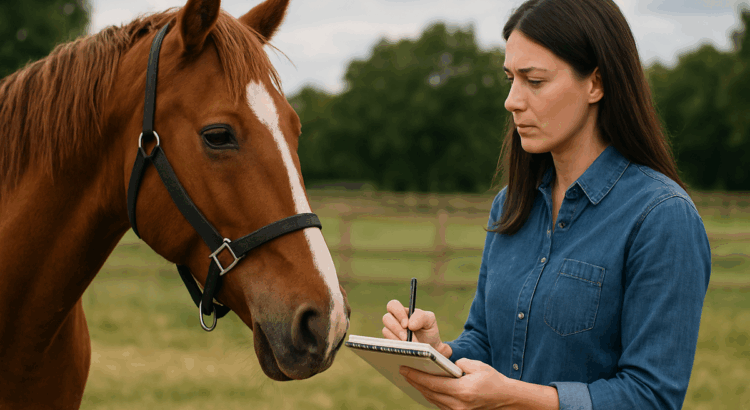
Buying a horse is a major decision — one that combines emotion, responsibility, and long-term commitment. Whether you’re a first-time buyer or an experienced rider, choosing the right horse requires more than just falling in love at first sight. Each horse has its own personality, health condition, and training level, and understanding these details beforehand can save you from costly mistakes. Before you sign the bill of sale, here are the top questions you should ask before buying a horse to ensure it’s the perfect match for your needs and lifestyle.
What Is the Horse’s History and Background?
One of the first things you should learn is where the horse comes from and how it has been handled. Ask the seller how long they’ve owned the horse and why they’re selling it. A trustworthy seller will be transparent about the horse’s history, including any previous owners, its discipline background (e.g., dressage, trail, jumping), and how it has been trained.
Knowing the horse’s upbringing can reveal how it might behave in new situations. For example, a horse raised in a quiet stable might struggle to adapt to a busy riding school. Understanding its background also helps you gauge how much additional training or socialization it may need once you bring it home.
How Old Is the Horse, and What Experience Level Is It Suited For?
Age is one of the most critical factors when buying a horse. Younger horses (under seven years old) typically require more training and consistency, while older horses (over fifteen) may be more suitable for beginners but could need extra care or joint support.
Ask the seller about the horse’s typical workload, training routines, and current performance level. If you’re a novice rider, a well-trained, calm horse with a steady temperament is ideal. On the other hand, experienced riders may prefer a younger horse with potential for competition. Matching your skill level with the horse’s temperament is key to a successful partnership.
Has the Horse Had Any Health or Soundness Issues?
A pre-purchase veterinary exam is non-negotiable when buying a horse. Before scheduling it, ask the seller for detailed health records, including vaccination history, deworming schedules, dental care, and any past injuries. Pay attention to signs of lameness, respiratory problems, or chronic conditions like arthritis.
Some health problems can limit the horse’s athletic potential or increase maintenance costs. For example, an old tendon injury might not affect light riding but could be an issue for competitive jumping. A vet check will help you make an informed decision and avoid surprises down the road.
What Is the Horse’s Temperament Like?
A horse’s personality determines how enjoyable — or challenging — your riding experience will be. Ask how the horse reacts to loud noises, unfamiliar environments, or new riders. Does it spook easily? Is it dominant in the herd? Does it stand calmly for grooming and farrier visits?
Whenever possible, ride the horse yourself or watch someone else handle it. Horses that appear calm in one environment might behave differently in another. A reliable temperament is especially important for beginners, children, or riders who plan to use the horse for leisure and not competition.
What Type of Work or Training Has the Horse Done?
Understanding what the horse has been trained for will help you determine if it aligns with your riding goals. Ask what disciplines the horse has experience in — for instance, dressage, show jumping, western pleasure, or trail riding. A horse trained for competition may have different energy and handling needs than one used for recreational riding.
If the horse is still in training, find out what specific skills it’s working on and how consistent the progress has been. Horses thrive on routine, and sudden changes in workload or training style can lead to confusion or behavioral problems. The more you know about its education, the better you can plan a smooth transition.
What Is the Horse’s Daily Routine and Feeding Schedule?
Every horse has unique care requirements, and changing its environment or feeding routine too abruptly can cause stress. Ask the seller what the horse eats, how often it’s fed, and what type of turnout or exercise schedule it’s used to.
If possible, replicate part of that routine at your new stable, at least during the adjustment period. Understanding the horse’s habits — from stall time to social interactions — will help you maintain consistency and ensure its comfort and well-being.
How Does the Horse Behave Under Saddle and on the Ground?
Before buying, observe the horse in different situations: while being tacked up, ridden, groomed, and led. Ask to see how it behaves with other riders or in group settings. A horse may perform well for its current owner but resist commands from a new rider with a different approach.
Take your time during the test ride. Check responsiveness, gait quality, and willingness to follow cues. How the horse behaves both on the ground and under saddle reveals much about its training, confidence, and compatibility with your riding style.
What Maintenance and Costs Should You Expect?
Owning a horse involves ongoing expenses beyond the purchase price. Ask about the horse’s farrier schedule, feed requirements, boarding costs, and any supplements or special care it needs. Some horses may require corrective shoeing, regular chiropractic care, or a specific type of bedding to stay comfortable.
Understanding these costs upfront will help you avoid financial strain later. If possible, ask your vet or trainer for an honest assessment of what it will take to maintain the horse’s health and performance long-term.
Can I Try the Horse Multiple Times Before Buying?
A single test ride may not tell you everything. Ideally, arrange to ride or handle the horse several times before committing to a purchase. Horses, like people, can have “good” and “bad” days — repeated interactions will give you a better sense of their true temperament and behavior.
Some sellers may even allow a short trial period at your stable (often under a contract and insurance). This can be invaluable in assessing whether the horse adjusts well to your environment and routines.
Buying a horse is a serious responsibility — one that requires research, patience, and honesty from both buyer and seller. By asking the right questions about health, temperament, training, and maintenance, you’ll increase your chances of finding a partner that suits your goals and lifestyle.
Remember: the perfect horse isn’t always the most beautiful or expensive one — it’s the one that fits you, your skills, and your heart. Taking the time to ask thoughtful questions ensures that your investment leads to years of safe, joyful riding and mutual trust.
Owning a horse is not just about proper care and smart purchasing decisions — it’s also about maintaining emotional balance and personal well-being. After all, horse ownership can be as demanding as it is rewarding. If you’d like to explore how to stay motivated and avoid burnout while caring for your horse, take a look at our guide on How Horse Owners Can Unwind and Recharge After a Busy Week at the Stables. It offers practical insights on rest, mindfulness, and keeping your passion for horses alive through healthy balance.