Training Horses for Film Work: Real Tips for Everyday Owners

Training Horses for Film Work: Real Tips for Everyday Owners

As 2025 wraps up with equine-focused stories on screen, from historical dramas to adventure films, horse owners often wonder about the training behind those polished performances. Sites dedicated to the latest film and TV features, like CineCorner, keep track of releases highlighting animal roles and behind-the-scenes insights.

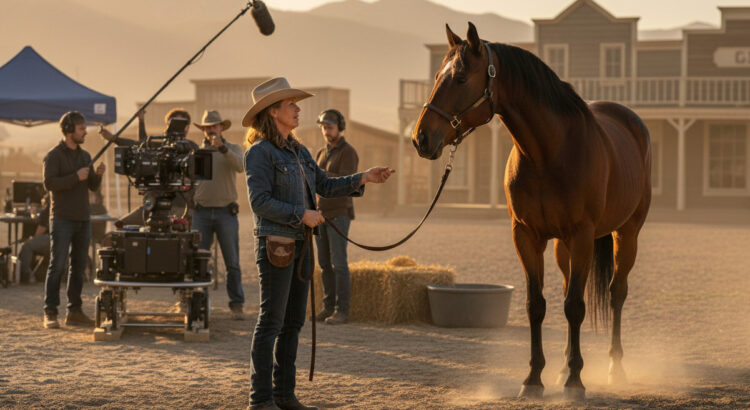
Professional film horse trainers emphasize positive reinforcement and gradual exposure over force. Only a small percentage of horses—estimates suggest about 5 out of 100—prove suitable for stunt work due to temperament and trainability. Maturity comes around 6-8 years old, with rigorous preparation in dressage, driving, and acrobatics.

Desensitization Basics

Start with everyday objects: tarps, umbrellas, plastic bags. Introduce them slowly, rewarding calm behavior with treats or rest. Film trainers use this to prepare for loud sets—gunfire simulations, crowds, or vehicles. At home, it helps horses handle trail surprises like wildlife or traffic.

Natural horsemanship influences modern methods, as seen in documentaries following trainers who prioritize understanding over dominance. Buck Brannaman’s approach, featured in his film, focuses on reading body language and building partnership.

Safe Falling and Stunt Prep

Controlled falls require years of trust. Trainers dig soft pits or use cushioned ground, teaching cues for rear-first drops to avoid injury. Modern productions ban harmful old tactics like trip wires, relying on skilled animals and CGI for extremes.

For owners, practice ground tying or liberty work to enhance responsiveness. Quarter Horses and Paints often excel due to calm dispositions and versatility.

Applying to Local Riding

In Kern County, these techniques suit ranch work or trails. Desensitize to ropes, gates, and cattle for smoother handling. Check local ads for started horses with solid foundations—many sellers note exposure to similar stimuli.

Professional trainers number few globally, but their principles scale down. Consistency and patience yield reliable partners, whether for leisure or light work.

Movie magic starts with groundwork any owner can replicate. Adapt film-inspired methods to create a calmer, more confident horse ready for real-life adventures.

Essential Horse Care Tips for Beginners: A Complete Guide

Essential Horse Care Tips for Beginners: A Complete Guide

Caring for a horse is a meaningful commitment that combines responsibility, consistency, and compassion. For beginners, understanding the basics of horse care ensures a healthy, comfortable, and trusting relationship between owner and horse. Below are the essential guidelines every new horse owner should know.

Understanding a Horse’s Basic Needs

Before diving into daily routines, it’s important to understand a horse’s core needs: shelter, food, water, safety, and companionship.

A clean and well-maintained stable or run-in shelter protects the horse from extreme weather. Pastures should be checked regularly for hazards, broken fences, or toxic plants. Horses also require unlimited access to fresh water and a salt or mineral block to maintain proper hydration and electrolyte balance. Since horses are herd animals, regular social interaction—either with other horses or a compatible stable mate—supports their emotional well-being.

Proper Nutrition

A healthy diet is fundamental to horse care. Forage, such as good-quality hay or pasture grass, should form the majority of the horse’s diet. Concentrates like grains or pellets may be added as needed, depending on the horse’s age, workload, and body condition.

A consistent feeding schedule is essential, as horses thrive on routine. Feeding smaller portions several times a day supports healthy digestion. Treats like apples or carrots can be given occasionally, but always in moderation to avoid dietary imbalance.

Grooming and Hygiene

Regular grooming keeps the horse clean, increases comfort, and allows early detection of injuries, skin conditions, or weight changes.

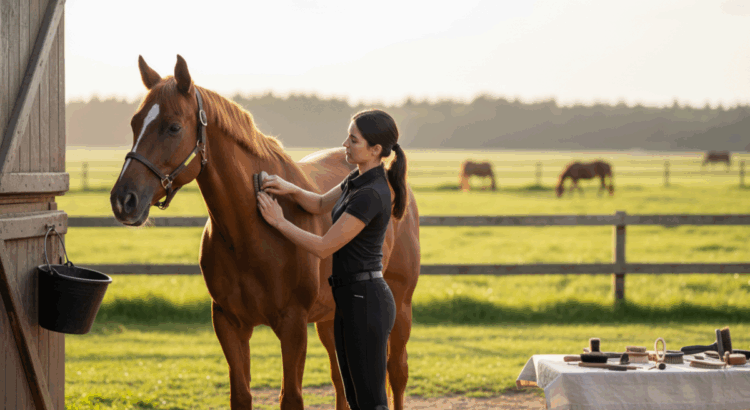
A beginner should equip themselves with essential grooming tools such as a curry comb, soft brush, hoof pick, and mane/tail comb. A typical grooming routine includes loosening dirt with a curry comb, brushing the coat smooth, and cleaning the hooves to remove stones, debris, and mud. Seasonal changes will affect grooming needs—summer heat may require rinsing after exercise, while winter grooming helps maintain coat insulation.

Hoof Care

The saying “No hoof, no horse” is absolutely true. Healthy hooves are essential for overall soundness and mobility.

Hooves should be picked out daily to remove stones and prevent infections. Regular farrier visits, typically every six to eight weeks, keep the hooves properly trimmed and balanced. Maintaining clean, dry turnout areas and stables helps reduce the risk of hoof issues such as thrush or abscesses.

Healthcare and Preventive Maintenance

Daily observation is one of the most effective ways to monitor a horse’s health. A beginner should check the horse’s demeanor, appetite, breathing, coat condition, and eyes each day.

Routine veterinary care is also vital. Horses need scheduled vaccinations, deworming plans, and dental care. Every horse owner should maintain a well-stocked first-aid kit containing essentials such as bandages, antiseptic solution, a thermometer, and wound supplies. It’s also wise to have an emergency plan for common issues like colic or injuries.

Exercise and Mental Stimulation

Horses require both physical activity and mental engagement. A structured exercise routine promotes muscle tone, joint mobility, and cardiovascular health. Activities may include riding, lunging, groundwork, or turnout time in a safe pasture.

Groundwork exercises not only stimulate the horse mentally but also help strengthen the bond between horse and owner. Social interaction with other horses is another beneficial enrichment method that supports emotional balance.

Safety, Tack, and Rider Preparedness

Beginner horse owners must prioritize safety for both themselves and their horse.

Choosing the right tack—such as a properly fitted saddle, bridle, and halter—prevents discomfort and injury. Basic stable equipment, including a pitchfork, wheelbarrow, and grooming supplies, should always be available. For riding, wearing a certified helmet, safe footwear, and appropriate clothing significantly reduces the risk of accidents. Working with a knowledgeable trainer provides invaluable guidance and builds confidence.

Starting the journey of horse ownership is exciting, but it also comes with responsibilities that require dedication and continuous learning. By focusing on essential care routines—nutrition, grooming, exercise, health maintenance, and safety—beginners can create a strong foundation for a long-lasting and positive partnership with their horse.For horse owners seeking balance beyond daily responsibilities, a helpful next step is exploring Finding Balance: How Horse Owners Can Unwind and Recharge After a Busy Week at the Stables, which offers practical tips for restoring energy and maintaining well-being.

How Horse Owners Can Unwind and Recharge After a Busy Week at the Stables

How Horse Owners Can Unwind and Recharge After a Busy Week at the Stables

Being a horse owner is a full-time commitment — early mornings, long rides, cleaning stalls, training, feeding, and constant care. The love for horses keeps you going, but even the most passionate equestrians need a moment to breathe. After a long, demanding week at the stables, it’s essential to take a step back and find ways to relax. Sometimes that means enjoying a quiet evening, perhaps watching a film at a cozy local cinema like Mirage Cinema in St. Petersburg. Taking time to recharge doesn’t make you less dedicated — it actually helps you return to your horses with renewed focus and energy.

The Importance of Rest for Horse Owners

Working with horses requires patience, emotional stability, and physical strength. Many horse owners push themselves day after day, forgetting that rest is not a luxury — it’s part of good horsemanship. Just like your horse needs recovery time after a workout, you too need moments of stillness to prevent burnout. Chronic fatigue and mental exhaustion can affect your performance, your mood, and even your relationship with your animals. When you allow yourself to slow down, you give your body and mind the opportunity to reset. Simple practices like walking outdoors, meditating, or spending an evening away from the stable can do wonders for your wellbeing. The more balanced you feel, the more positive energy you bring to your horses — they sense it immediately.

Recharging Through Simple Pleasures

Finding balance doesn’t have to mean taking long vacations or changing your routine completely. Often, the best form of rest comes from small, mindful experiences that help you reconnect with yourself. Horse owners often spend so much time outdoors that they forget to enjoy the world beyond the paddock. Watching a good movie, reading a book, or having dinner with friends can provide that mental reset. If you live near St. Petersburg, a visit to Mirage Cinema cinema could be the perfect way to unwind — a couple of quiet hours surrounded by storytelling, comfort, and atmosphere. Moments like these allow you to step away from the constant motion of the stable and enjoy a different kind of rhythm.

Building a Healthy Routine for Long-Term Balance

The secret to sustaining your passion for horses over many years is to treat self-care as part of your routine, not an afterthought. Try to structure your week so that you have at least one evening or afternoon entirely free from stable duties. Use that time to do something that relaxes you — whether it’s going for a walk, spending time with loved ones, or catching a movie. When you integrate these small rituals of rest into your schedule, your body adapts, your stress levels drop, and your creativity improves. Balanced horse owners tend to communicate better with their horses, make wiser training decisions, and maintain harmony in their daily lives. Remember, a well-rested rider makes for a calmer, happier horse.Finding balance as a horse owner is not about doing less — it’s about doing what you love with greater clarity and joy. So next time you finish a demanding week at the stables, take a breath, step out of your boots, and allow yourself a peaceful moment. Whether that’s a warm cup of tea, a long walk, or a night out at Mirage Cinema, you’ll return to the barn not only rested but reconnected with why you fell in love with horses in the first place.

Top Questions to Ask Before Buying a Horse

Top Questions to Ask Before Buying a Horse

Buying a horse is a major decision — one that combines emotion, responsibility, and long-term commitment. Whether you’re a first-time buyer or an experienced rider, choosing the right horse requires more than just falling in love at first sight. Each horse has its own personality, health condition, and training level, and understanding these details beforehand can save you from costly mistakes. Before you sign the bill of sale, here are the top questions you should ask before buying a horse to ensure it’s the perfect match for your needs and lifestyle.

What Is the Horse’s History and Background?

One of the first things you should learn is where the horse comes from and how it has been handled. Ask the seller how long they’ve owned the horse and why they’re selling it. A trustworthy seller will be transparent about the horse’s history, including any previous owners, its discipline background (e.g., dressage, trail, jumping), and how it has been trained.

Knowing the horse’s upbringing can reveal how it might behave in new situations. For example, a horse raised in a quiet stable might struggle to adapt to a busy riding school. Understanding its background also helps you gauge how much additional training or socialization it may need once you bring it home.

How Old Is the Horse, and What Experience Level Is It Suited For?

Age is one of the most critical factors when buying a horse. Younger horses (under seven years old) typically require more training and consistency, while older horses (over fifteen) may be more suitable for beginners but could need extra care or joint support.

Ask the seller about the horse’s typical workload, training routines, and current performance level. If you’re a novice rider, a well-trained, calm horse with a steady temperament is ideal. On the other hand, experienced riders may prefer a younger horse with potential for competition. Matching your skill level with the horse’s temperament is key to a successful partnership.

Has the Horse Had Any Health or Soundness Issues?

A pre-purchase veterinary exam is non-negotiable when buying a horse. Before scheduling it, ask the seller for detailed health records, including vaccination history, deworming schedules, dental care, and any past injuries. Pay attention to signs of lameness, respiratory problems, or chronic conditions like arthritis.

Some health problems can limit the horse’s athletic potential or increase maintenance costs. For example, an old tendon injury might not affect light riding but could be an issue for competitive jumping. A vet check will help you make an informed decision and avoid surprises down the road.

What Is the Horse’s Temperament Like?

A horse’s personality determines how enjoyable — or challenging — your riding experience will be. Ask how the horse reacts to loud noises, unfamiliar environments, or new riders. Does it spook easily? Is it dominant in the herd? Does it stand calmly for grooming and farrier visits?

Whenever possible, ride the horse yourself or watch someone else handle it. Horses that appear calm in one environment might behave differently in another. A reliable temperament is especially important for beginners, children, or riders who plan to use the horse for leisure and not competition.

What Type of Work or Training Has the Horse Done?

Understanding what the horse has been trained for will help you determine if it aligns with your riding goals. Ask what disciplines the horse has experience in — for instance, dressage, show jumping, western pleasure, or trail riding. A horse trained for competition may have different energy and handling needs than one used for recreational riding.

If the horse is still in training, find out what specific skills it’s working on and how consistent the progress has been. Horses thrive on routine, and sudden changes in workload or training style can lead to confusion or behavioral problems. The more you know about its education, the better you can plan a smooth transition.

What Is the Horse’s Daily Routine and Feeding Schedule?

Every horse has unique care requirements, and changing its environment or feeding routine too abruptly can cause stress. Ask the seller what the horse eats, how often it’s fed, and what type of turnout or exercise schedule it’s used to.

If possible, replicate part of that routine at your new stable, at least during the adjustment period. Understanding the horse’s habits — from stall time to social interactions — will help you maintain consistency and ensure its comfort and well-being.

How Does the Horse Behave Under Saddle and on the Ground?

Before buying, observe the horse in different situations: while being tacked up, ridden, groomed, and led. Ask to see how it behaves with other riders or in group settings. A horse may perform well for its current owner but resist commands from a new rider with a different approach.

Take your time during the test ride. Check responsiveness, gait quality, and willingness to follow cues. How the horse behaves both on the ground and under saddle reveals much about its training, confidence, and compatibility with your riding style.

What Maintenance and Costs Should You Expect?

Owning a horse involves ongoing expenses beyond the purchase price. Ask about the horse’s farrier schedule, feed requirements, boarding costs, and any supplements or special care it needs. Some horses may require corrective shoeing, regular chiropractic care, or a specific type of bedding to stay comfortable.

Understanding these costs upfront will help you avoid financial strain later. If possible, ask your vet or trainer for an honest assessment of what it will take to maintain the horse’s health and performance long-term.

Can I Try the Horse Multiple Times Before Buying?

A single test ride may not tell you everything. Ideally, arrange to ride or handle the horse several times before committing to a purchase. Horses, like people, can have “good” and “bad” days — repeated interactions will give you a better sense of their true temperament and behavior.

Some sellers may even allow a short trial period at your stable (often under a contract and insurance). This can be invaluable in assessing whether the horse adjusts well to your environment and routines.

Buying a horse is a serious responsibility — one that requires research, patience, and honesty from both buyer and seller. By asking the right questions about health, temperament, training, and maintenance, you’ll increase your chances of finding a partner that suits your goals and lifestyle.

Remember: the perfect horse isn’t always the most beautiful or expensive one — it’s the one that fits you, your skills, and your heart. Taking the time to ask thoughtful questions ensures that your investment leads to years of safe, joyful riding and mutual trust.

Owning a horse is not just about proper care and smart purchasing decisions — it’s also about maintaining emotional balance and personal well-being. After all, horse ownership can be as demanding as it is rewarding. If you’d like to explore how to stay motivated and avoid burnout while caring for your horse, take a look at our guide on How Horse Owners Can Unwind and Recharge After a Busy Week at the Stables. It offers practical insights on rest, mindfulness, and keeping your passion for horses alive through healthy balance.

Nutritious Treats for Equine Companions: What’s Best?

When it comes to rewarding our equine companions, selecting the right treats is essential for their health and well-being. While horses have a penchant for treats, not all snacks are created equal. Opting for nutritious options ensures that horses enjoy their treats while reaping health benefits. So, what are the best choices for treating our beloved horses?

One popular option among horse owners is carrots. Packed with vitamins, minerals, and fiber, carrots are not only delicious but also offer various health benefits for horses. They are low in sugar and provide essential nutrients like beta-carotene, which supports eye health and immune function. Carrots are also a great option for horses on a diet, as they offer a satisfying crunch without excess calories.

Another favorite treat for horses is apples. Like carrots, apples are rich in vitamins and minerals, including vitamin C and potassium. The natural sweetness of apples makes them irresistible to horses, while their crunchy texture provides dental benefits by helping to clean teeth and promote saliva production. However, it’s essential to remove any seeds or cores from apples before feeding them to horses, as these parts can be harmful.

In addition to fruits and vegetables, some commercial horse treats are specifically formulated to provide balanced nutrition and promote overall health. These treats often contain ingredients like grains, molasses, and essential vitamins and minerals. While convenient, it’s crucial to check the ingredients list and opt for treats with high-quality, natural ingredients and minimal added sugars or fillers.

Certain herbs and botanicals can also serve as healthy treats for horses. Peppermint, for example, is known for its digestive benefits and can help alleviate gas and bloating in horses. Similarly, chamomile is known for its calming properties and may help reduce stress and anxiety in horses. When offering herbs as treats, it’s essential to research proper dosages and consult with a veterinarian if necessary.

While treats can be a fun way to bond with horses and reinforce positive behavior, moderation is key. Overindulging in treats can lead to weight gain, digestive issues, and dental problems in horses. It’s essential to limit treats to small quantities and incorporate them into a balanced diet that consists primarily of hay, grass, and quality grain or feed.

Ultimately, the best treats for horses are those that are not only delicious but also contribute to their overall health and well-being. By choosing nutritious options like carrots, apples, and herbal treats, horse owners can reward their equine companions while promoting optimal health and happiness. As with any aspect of horse care, it’s essential to prioritize the health and welfare of these magnificent animals in all aspects of their diet and nutrition.

Many horse owners use treats not just for rewards and bonding, but also as positive reinforcement during training sessions—helping horses stay focused, calm, and responsive. With the right preparation, everyday horses can learn the skills needed for specialized work, including the demands of film and TV sets. If you’re interested in taking your horse’s training further and exploring opportunities in the entertainment industry, check out our practical guide Training Horses for Film Work: Real Tips for Everyday Owners. It shares accessible techniques for desensitization, cue reliability, and set etiquette that build on basic good manners—turning your well-mannered, treat-motivated partner into a confident performer without needing professional Hollywood experience!

Designing horse paddocks

When it comes to designing horse paddocks, careful planning and attention to detail are essential to ensure the safety, health, and well-being of the horses. A well-designed paddock provides horses with adequate space to move freely, access to fresh water and forage, and a safe environment for grazing and exercise.

One of the first considerations when designing a horse paddock is size. The size of the paddock will depend on the number of horses and their individual needs, as well as the intended use of the paddock. Ideally, each horse should have a minimum of one to two acres of grazing space to allow for adequate exercise and foraging.

In addition to size, the layout of the paddock is also important. Paddocks should be designed with safety in mind, minimizing hazards such as sharp objects, uneven terrain, and toxic plants. Fencing is a crucial component of paddock design, providing containment and security for the horses. Sturdy fencing, such as wooden or vinyl fencing, is recommended to prevent injury and escape.

Access to fresh water is essential for horses’ health and hydration. Paddocks should be equipped with reliable water sources, such as troughs or automatic waterers, placed strategically throughout the paddock to ensure easy access for all horses. Adequate drainage is also important to prevent waterlogging and muddy conditions, which can lead to hoof problems and health issues.

Forage is a vital component of horses’ diets, and paddocks should be designed to allow for grazing whenever possible. Rotational grazing systems can help prevent overgrazing and maintain healthy pasture growth. Paddocks should be divided into smaller sections to allow for rotation, with each section rested periodically to allow grass to recover.

Shelter is another consideration when designing horse paddocks, especially in regions with extreme weather conditions. Shelter can take the form of natural features such as trees or man-made structures such as run-in sheds or barns. Shelter provides horses with protection from sun, rain, wind, and cold temperatures, allowing them to seek refuge as needed.

Finally, paddocks should be designed with ease of maintenance in mind. Proper drainage, fencing, and grazing management can help minimize the need for manual labor and upkeep. Regular maintenance tasks such as mowing, weed control, and manure management are essential for keeping paddocks clean, healthy, and attractive.

In conclusion, designing horse paddocks requires careful consideration of factors such as size, layout, fencing, water access, forage availability, shelter, and maintenance. By taking these essential considerations into account, horse owners can create safe, healthy, and functional paddocks that promote the well-being and happiness of their equine companions.

The Importance of Cleaning Horse Hooves

Cleaning a horse’s hooves is a crucial aspect of equine care that should never be overlooked. The hooves play a vital role in a horse’s overall health and well-being, as they provide support, traction, and shock absorption. Proper hoof care, including regular cleaning, can help prevent various hoof-related issues and maintain the horse’s overall soundness.

Hoof cleaning should be a routine part of every horse owner’s grooming regimen. It is essential to clean the hooves before and after every ride, as well as during regular grooming sessions. Neglecting to clean the hooves can lead to the buildup of dirt, mud, rocks, and debris, which can not only be uncomfortable for the horse but also increase the risk of infections and hoof diseases.

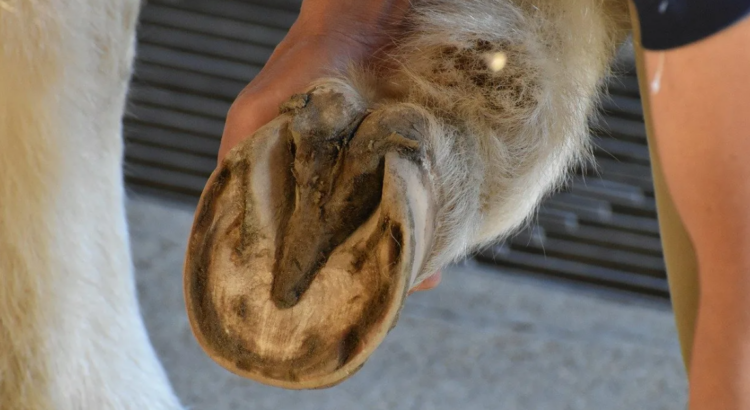
When cleaning a horse’s hooves, start by picking out any debris lodged in the hoof wall, sole, and frog using a hoof pick. Pay close attention to the crevices and grooves of the hoof, as these areas are prone to collecting dirt and rocks. Be gentle but thorough to ensure all foreign objects are removed without causing discomfort to the horse.

In addition to removing debris, cleaning the hooves also provides an opportunity to inspect the hooves for signs of injury, infection, or other issues. Check for any cracks, bruises, or abnormalities in the hoof wall, as well as signs of thrush or other infections in the frog. Early detection of problems can prevent them from escalating into more serious issues that may require veterinary intervention.

Regular hoof cleaning also helps maintain the health of the hoof tissues and promotes proper hoof growth. When dirt and debris are allowed to accumulate in the hooves, they can create pressure points and imbalances that may lead to uneven wear and tear. By keeping the hooves clean and free of obstructions, you can help ensure proper weight distribution and reduce the risk of lameness and other hoof-related problems.

In conclusion, cleaning a horse’s hooves is an essential aspect of equine care that should never be overlooked. Regular hoof cleaning not only helps prevent infections and hoof diseases but also promotes overall hoof health and soundness. By making hoof cleaning a routine part of your grooming regimen, you can help keep your horse happy, healthy, and comfortable.

Proper daily hoof care, including thorough cleaning and regular inspections, is foundational to keeping your horse sound, comfortable, and ready for any activity—whether trail riding, competition, or something more demanding. Many everyday owners dream of seeing their horses on the big screen, and with the right preparation, it’s more achievable than you might think. For practical, real-world advice on conditioning, desensitizing, and training horses for film and TV work (without needing professional Hollywood trainers), check out our guide Training Horses for Film Work: Real Tips for Everyday Owners. It covers everything from building trust and focus to handling unusual sets, sounds, and props—helping turn your well-maintained partner into a potential star!

Basics of Horse Care: Diet, Hoof Care, and More

Caring for a horse requires a deep understanding of its specific needs and a commitment to providing comprehensive care. From maintaining a balanced diet to ensuring proper hoof care, several fundamental aspects contribute to the overall well-being of these majestic animals. Here, we explore some essential basics of horse care to help ensure the health and happiness of your equine companion.

Read More

How to Choose and Buy a Horse: Tips for Beginners

Owning a horse can be a rewarding and enriching experience, but the process of selecting and purchasing the right horse can be daunting, especially for beginners. Whether you are considering a horse for leisure riding, competitions, or as a pet, several crucial factors should be taken into account before making a purchase. Here are some essential tips to guide newcomers in the process of choosing and buying a horse.

Read More